
Fence & gate services
Chain Link Fence Installation
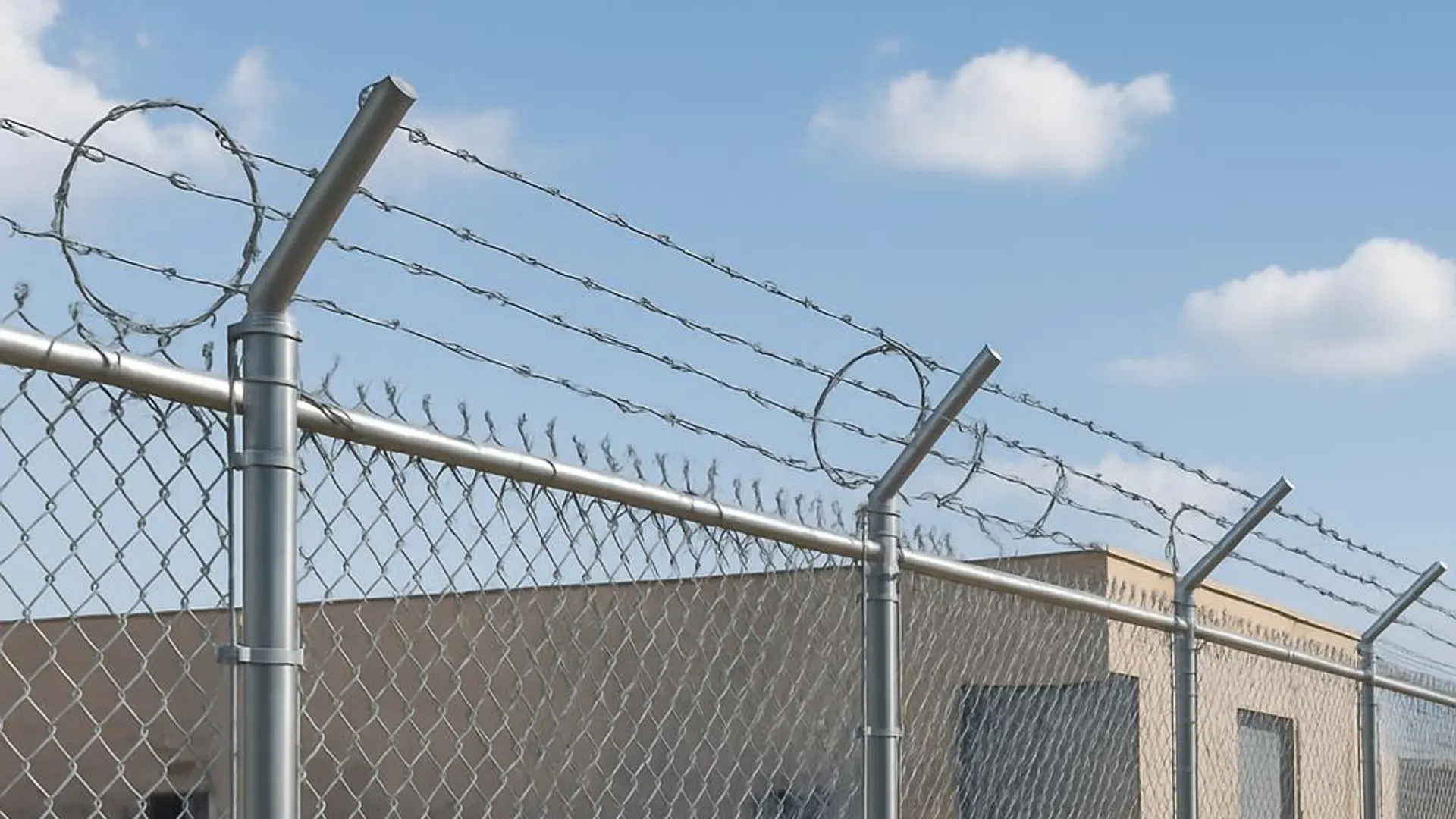
Nobody installs chain link for how it looks — it gets specified because it encloses an area securely for less per foot than anything else that lasts, and whether it stays tight for decades is decided by the framework, not the fabric.
Licensed & Insured
PA Home Improvement Contractor #PA035784
Free Written Estimates
On-site assessment included
Permits & HOA Handled
We file on your behalf
Workmanship Guarantee
On every installation
Chain Link Fences in Chester & Delaware County
Chain link is the highest-volume fence material in this market, and it is chosen almost entirely for function and cost. It encloses a defined area, it resists climbing better than most people assume, it needs no maintenance beyond hardware, and it does all of that at the lowest cost per linear foot of any fence with a multi-decade service life. What it does not do is add curb appeal, and there is no point pretending otherwise. If the question is the front of a house on the Main Line, the answer is aluminum or a picket fence and chain link is the wrong tool. Where it is the right tool, though, nothing else is close. The applications that actually specify it across Chester and Delaware County are stormwater retention and detention basin enclosures on residential developments and commercial sites, contractor and equipment yards, utility and mechanical enclosures, rear yards where the fence has to contain something rather than be looked at, and commercial perimeters where the fence has a job to do and nobody is going to maintain it.
The first specification decision is coating. Galvanized fabric is steel wire with a zinc coating, and how much zinc is on the wire and how it got there is what sets the service life. It is the cheapest option and it is what most people picture when they hear chain link. Black vinyl-coated fabric puts a bonded PVC jacket over a galvanized core, so the wire carries two barriers instead of one, with the framework, rail and fittings coated to match. The visual argument for black is not decoration, it is optics: a silver grid catches light and reads as a bright plane sitting in front of whatever is behind it, while black wire against the dark, visually busy background of grass, shrubs and shadow gives the eye nothing to lock onto. At thirty feet along a wooded rear property line, black chain link is close to invisible and galvanized announces itself. Green and brown coatings exist. Black is the one that actually disappears.
After coating, the specification comes down to three things. Wire gauge sets the weight of the fabric, and the numbering runs backwards, so a lower number is heavier wire and 9 gauge is substantially stouter than 11. Mesh size sets the opening: a two-inch diamond is the residential and general-purpose standard, and tighter meshes are used where a smaller opening is needed to stop a paw, a foothold or a hand. Framework is the variable nobody asks about and the one that decides the outcome. Terminal posts, meaning ends, corners and gate posts, absorb the entire tension of the fabric run, so they are larger in diameter and heavier in wall than the line posts between them, which only carry the weight of the fabric they hold. Residential and commercial grade schedules differ mainly right here, in post diameter and wall thickness. A chain link fence leaning inward at its corners was not built with undersized fabric. It was built with an undersized or unbraced terminal.
Options
Styles & Configurations
Galvanized residential
Zinc-coated fabric on a residential post schedule with a top rail. The lowest cost per foot of any fence with a multi-decade service life, and the standard answer for a rear yard where the fence has a job rather than a look.
Black vinyl-coated
The same system with a bonded PVC jacket over a galvanized core, carried through fabric, framework, rail and fittings. It has become the default residential choice in our territory because it recedes against planting instead of standing in front of it.
Containment-specified residential
The same residential system with the mesh, the height and the bottom detail set against whatever has to stay inside the line rather than against a default. A tighter opening where a nose or a paw is the concern, height matched to what can actually be cleared, and a bottom tension wire pulling the fabric down tight to grade where digging is the failure mode.
Commercial and institutional grade
Heavier fabric gauge, larger-diameter and heavier-wall framework, brace assemblies at the terminals and at intervals through long runs, and industrial gate hardware. This is the grade that goes on contractor yards, utility enclosures and commercial perimeters, and it is where privacy slats are usually specified.
Retention and detention basin enclosure
Tall fabric with framework sized for the height and the wind load it will carry, and gates positioned for maintenance access and mowing equipment. Basin enclosures are built to the specification the township or the HOA approved in the stormwater plan, which is a document worth reading before material is ordered.
What to expect
How the Installation Runs
- Site walk, layout and specification. Height, gauge, mesh, coating, framework schedule and gate locations are set against what the fence actually has to contain or exclude, because a basin perimeter, a contractor yard and a residential rear yard are three different fences.
- PA One Call utility mark-out, filed before any post hole is dug. Chain link runs tend to be long and to follow property lines and easements, which is precisely where buried services run.
- Permit and HOA submission. We prepare and file the township application, and the architectural review packet where the community has one. For basin and common-area enclosures we check the design against the approved stormwater or site plan, because the governing height and specification come from your specific municipality and its ordinance rather than from any statewide figure.
- Terminal posts first. Ends, corners and gate posts are set in concrete footings below the local frost line, plumbed, braced and left to cure, because they carry every pound of tension the run will hold. Line posts follow at the spacing the schedule calls for.
- Framework. Top rail through the line post caps where a rail is specified, or a top tension wire where it is not, then tension bands and brace bands at the terminals, rail ends, and brace assemblies wherever run length, height or grade demand them.
- Fabric, gates and walk-through. The chain link fabric is hung, threaded onto a tension bar bolted into the terminal bands, pulled with a stretcher until the diamonds sit square and even, then tied off to the line posts and rail, with a bottom tension wire where containment calls for one. Gates are hung last and the hardware adjusted, and we walk the finished line with you.
Where we install it
Chain Link Fences By Town
Common questions
Chain Link Fences Questions
Is black vinyl-coated chain link worth the extra cost over galvanized?
For a residential yard, usually yes. The coating adds cost to the fabric, the framework and the fittings, but it does two useful things. It puts a bonded PVC jacket over wire that is already galvanized, so the steel carries two barriers instead of one, and it makes the fence far less visible. Black wire against grass, shrubs and shadow gives the eye nothing to catch, while galvanized fabric reflects light and reads as a bright grid standing in front of the planting. On a wooded rear line the difference is dramatic.
What gauge and mesh size should a chain link fence be?
For an ordinary residential yard, a lighter residential gauge with a two-inch diamond mesh is normally adequate. Basin enclosures, contractor yards and commercial perimeters want heavier fabric and a tighter mesh, because a smaller opening resists a paw, a foothold and a pair of cutters. Be careful with the numbers, because gauge runs backwards: a 9-gauge wire is meaningfully heavier than an 11-gauge one, and a cheaper quote is very often lighter fabric on a lighter post schedule. Ask for the actual specification rather than the grade name.
Do I need a top rail on a chain link fence?
Not strictly, but it is worth having on residential fence. A top rail runs through the line post caps and stiffens the whole assembly, holds the top of the fabric in a straight line, and resists people and dogs leaning on it. A top tension wire is the alternative. It is cheaper and it is standard on tall commercial, agricultural and basin-enclosure fence where a rigid rail would simply be a target, but the top edge of the fabric flexes and it never looks as tidy on a back yard run.
Will a chain link fence contain a dog?
Usually, once the specification is matched to the animal rather than to the yard. A dog that can push a nose or a paw through standard mesh needs a tighter opening. A jumper needs height, and a climber needs both height and a mesh too small to take a toehold. Digging is the common failure, and the answer is a bottom tension wire pulling the fabric down tight to grade, or a buried apron of fabric turned outward at the bottom. Gate hardware and the gap under the gate matter as much as the fence line does.
Can chain link be made private?
Only partly. Privacy slats woven vertically through the fabric give screening rather than privacy, and they are common on contractor yards and commercial sites where the point is to break up a sightline. Two things are worth knowing. Slats add substantial wind load to a fence whose framework was never designed to carry it, so the post schedule has to account for that, and they will not deliver what a solid fence delivers. If actual privacy is the goal, a vinyl or wood privacy fence is the honest answer.
Do I need a permit for a chain link fence in Pennsylvania?
Usually. Most townships and boroughs in Chester, Delaware and Montgomery County require a zoning or building permit for a fence, and they regulate height by yard type, so rear and side yards are treated differently from front yards and corner lots are frequently treated as having two front yards. The governing figures come from your specific municipality, which adopts and amends its own ordinance and the Uniform Construction Code on its own schedule. We confirm the requirement, prepare the application and file it as part of the job.
Get a free chain link fences estimate
On-site assessment. Written quote. No obligation.